The Astros missed the playoffs in 2025 for the first time in eight years. They’re not letting it happen again. Hunter Brown had a Cy Young-caliber season, but Framber Valdez left in free agency. With the rotation thin and the window closing, Houston traded top prospect Jacob Melton and pitching prospect Anderson Brito for Mike Burrows, a 26-year-old Pirates righty with plus stuff and mid command. Can Burrows stabilize the rotation, or did Houston mortgage the future for mediocrity?
Breaking Down the Trade
This was part of a three-team trade between the Pittsburgh Pirates, Tampa Bay Rays, and Houston Astros. Naturally, we’re focusing on the Houston related parts, with Houston receiving Mike Burrows from the Pirates, and sending Brito and Melton to the Rays.
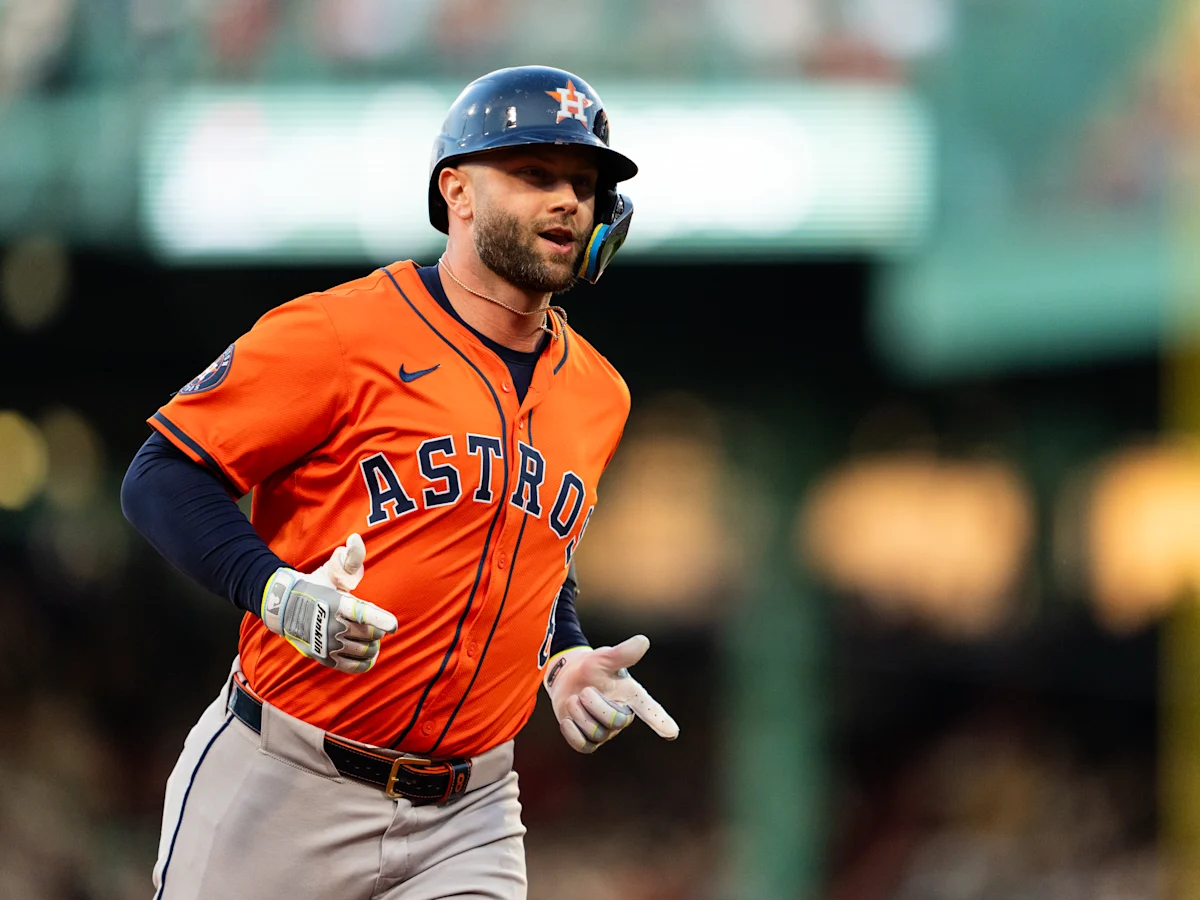
Mike Burrows is a 26-year-old righty pitcher, former 40+ FV prospect for the Pirates with plus secondary pitches (109 sinker, 102 slider, 114 changeup), a minus fastball (86) by Pitching+ and overall average command (100 by Location+). Burrows won’t hit free agency until 2032, giving Houston six years of control if this works. In 96 innings at the MLB level during the 2025 season, Burrows threw for a 3.9 ERA and had a 28.8% CSW% to go with an encouraging fastball velocity jump from 94.4 to 95.4 mph. Houston targeted a pitcher with impressive secondaries and swing-and-miss ability who could bolster their rotation, trading two prospects with big-league upside but significant questions.
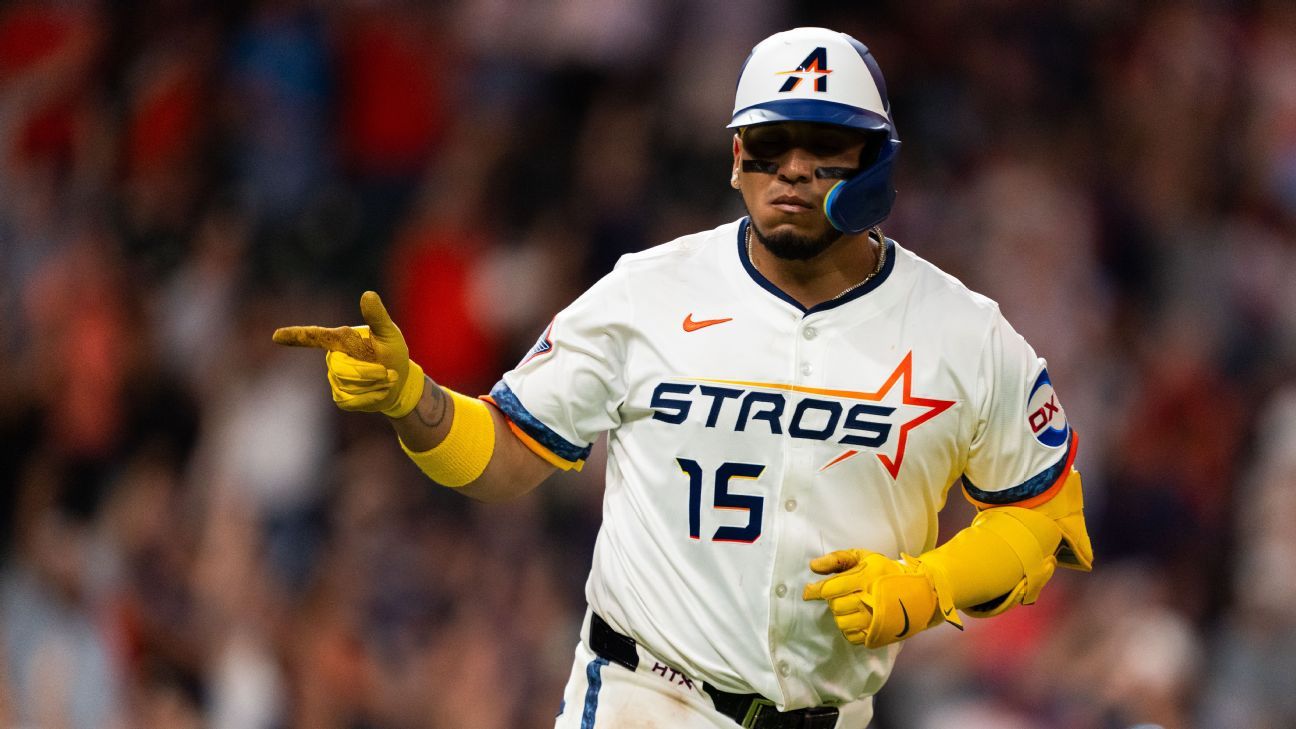
Jacob Melton, Houston’s top prospect entering 2026, was the main piece the Astros surrendered. He profiles as a 45+ FV OF prospect with great power at every level of the minor leagues, slugging over .450 at every level (.556 in Triple-A). He stole 40 bases in just 86 High-A games and 23 more in 82 Triple-A contests, with the defensive instincts to stick in center field. The tools are there. The contact isn’t. Melton struck out over 20% of the time at every minor league stop, then ballooned to 37.2% in the majors (league average is 22.2%). He’s either going to fix the strikeouts and become an everyday player, or he’ll be a fourth outfielder with tantalizing tools.
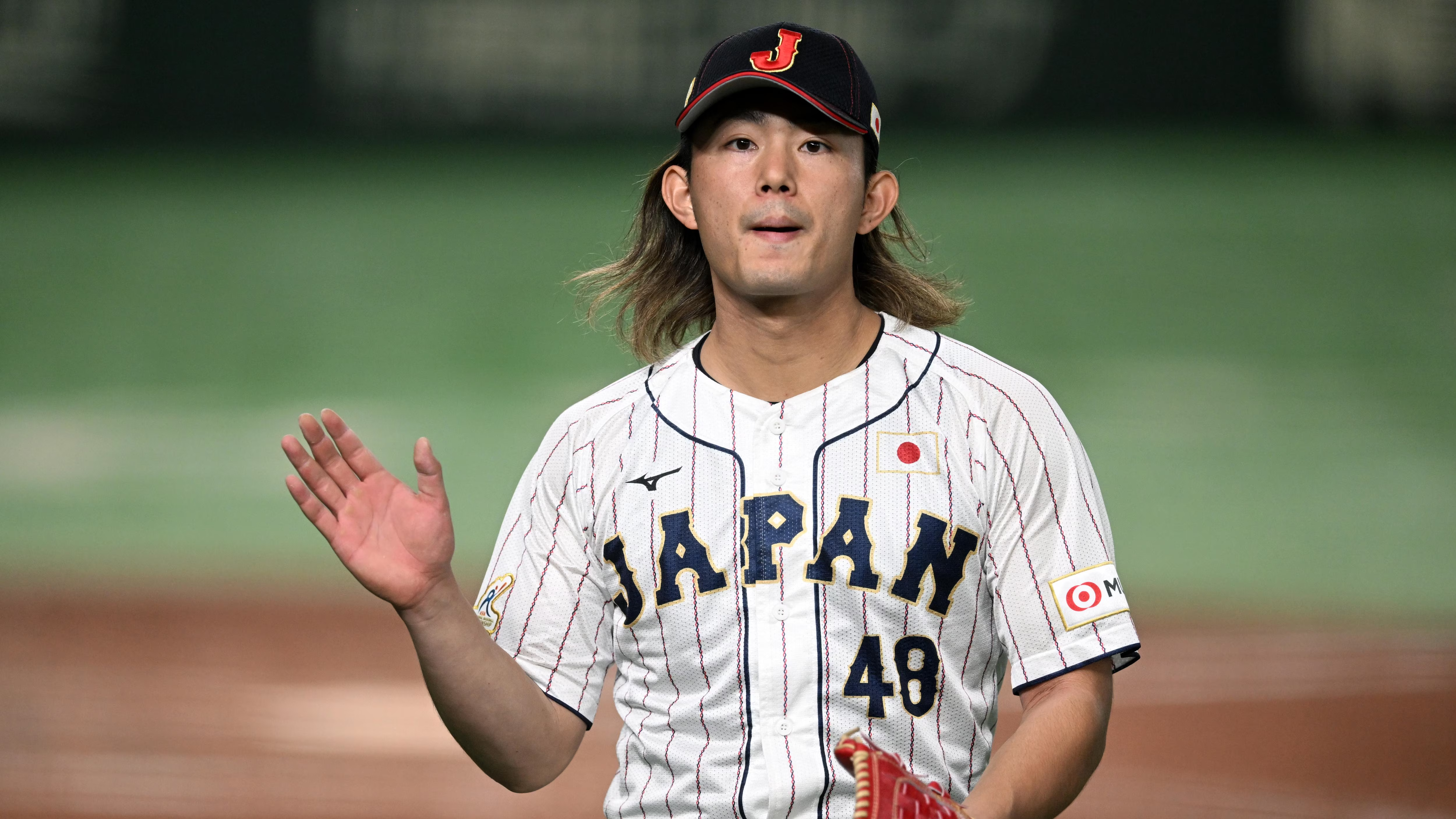
Then there’s Anderson Brito, Houston’s No. 3 prospect. Brito has worked as a starter in the minors, posting elite strikeout numbers (11.5+ K/9) with a fastball touching 99. However, his below-average command (4.94 BB/9 at Single-A, 5.11 BB/9 at High-A) and undersized frame (5’11, 155 lbs) suggest he’s more likely to stick around as a high-leverage reliever. In one-inning bursts, the stuff works before the walks pile up. He’s further from the majors than Melton, but has dominated at every level, posting ERA- and FIP- marks well below league average (100) and could end up having the higher ceiling of the two prospects.
All-In Gamble
The trade for Mike Burrows signals the Astros aren’t content with a slide into mediocrity. The AL West is heating up. The Mariners just reached the ALCS, the Athletics are stockpiling young talent, and the Rangers are primed to bounce back from a disappointing 2025. Houston can’t afford another second-half collapse like last season, when injuries forced them to rely on a rotating cast of struggling starters. The rotation posted a 4.24 ERA after the All-Star break. Framber Valdez struggled to a 5.20 ERA, Spencer Arrighetti posted a 5.26, Cristian Javier a 4.62, and Colton Gordon a 6.35. All of them logged significant innings as the staff imploded. With Valdez now gone in free agency and Hunter Brown as the lone reliable arm, the Astros needed a dependable number two or three starter. Burrows is their answer. He’s a pitcher with the upside to stabilize the rotation behind Brown rather than forcing Houston to patch holes with Triple-A arms again.
The Astros aren’t just betting on Burrows’ current performance level. They’re betting they can unlock a higher one. In 2025 with Pittsburgh, he pitched 96 innings over 23 games, averaging just 4.17 innings per start. Getting him to 5-6 innings consistently is the first step in maximizing his value as a starter. The Pirates likely kept him on an innings limit after his Tommy John recovery, but another year removed from surgery should allow Houston to stretch him out.
Burrows’ 2025 season tells two distinct stories. Through July, relying heavily on his four-seam fastball (averaging 47% usage), he posted ugly underlying numbers with FIPs consistently above 5.00 and multiple blow-up outings. His July 12th disaster against Minnesota epitomized the problem. He allowed six earned runs in 1.1 innings while throwing his fastball 50% of the time.
Then Pittsburgh made an adjustment. Starting in late August and accelerating through September, Burrows incorporated a sinker (peaking at 34% usage) while reducing his four-seam reliance. The results were immediate and sustained. His xFIP dropped from 4.58+ early in the season to sub-2.50 in his final starts. This wasn’t luck. Burrows genuinely got better.
It’s a big ask, practically doubling a pitcher’s inning count and completely changing his pitch arsenal year-over-year. Houston is betting they can complete what Pittsburgh started. By fully committing to a sinker/changeup/slider mix and abandoning the four-seam fastball that got hammered for a .525 SLG, the Astros believe Burrows can sustain his September form across a full season. If the sinker gets figured out or injury concerns pop up, the Astros may have paid too much.
Despite that downside, if successful, Houston will have a legitimate three-starter front (Brown, Javier, Burrows) backed by newly signed Ryan Weiss and competition for the fifth spot. That’s a far cry from the patchwork rotation that collapsed in 2025.
The Price: Overvalued Prospects or Future Stars?
Whether Houston overpaid depends on how Brito and Melton develop. The odds might not be in the Astros’ favor. The Rays are one of baseball’s best development organizations, and both prospects have clear paths to value if Tampa Bay can address their flaws. The Rays might fix Melton’s contact issues. His 40-steal speed and real power (.556 slugging in Triple-A) gives him a wide margin for error. Brito’s command problems might force him to the bullpen, but his upper-90s fastball and strikeout rates make him a future closer candidate.
The question is whether they can hit/throw strikes in the majors. Take Brito. He’s dominated Single-A and High-A with a fastball touching 99 mph, well above his competition. He even tore up the Arizona Fall League against the best Double-A hitters available, posting a 17.5 K/9. Single-A isn’t the majors, sadly. In MLB, 32% of four-seamers and sinkers hit 95 mph or faster. That’s three times the rate at Single-A. Big-league hitters also whiff 6% less on those pitches, dropping from 29% to 23%. Brito’s elite velocity becomes merely good. His walk rate becomes a critical weakness. Whether he can make that jump determines if Houston gave up a future closer or organizational filler.
While Brito is still making his way through the minors, Melton has already experienced the majors. That 37.2% K% won’t work at the big-league level. Melton raises more questions about being a quad-A hitter when you examine his Triple-A peripherals. He has outstanding xBA (.309), xSLG (.589), and avg. EV (92.6) but it masked a far below average Z-Swing rate, 63.16% (that would be swinging at balls in the zone, league average in the majors in 2025 was 67.8%). That implies he’s letting pitchers beat themselves in the minors, getting into favorable counts and then punishing mistakes rather than attacking early. That’s a valuable skill, but in the majors, where pitchers have better command and attack the zone earlier in their sequences, it explains why his K% spiked so dramatically. If Tampa fixes his approach, Houston just gave away an everyday player.
Houston overpaid, but they made the trade they had to make. When you miss the playoffs for the first time in eight years and your ace walks in free agency, you don’t wait for prospects to develop. Burrows provides cost-controlled rotation help through 2027, assuming the sinker adjustment sticks and his health holds. Big assumptions for a 26-year-old with 96 career innings.
The price was steep. Melton has everyday player upside if someone unlocks his approach. Brito’s power arm projects as a high-leverage weapon. The Rays built their dynasty flipping exactly these profiles into stars. Houston is betting on 2026 and 2027. Tampa Bay is betting on 2028 and beyond. The Astros chose their present over their future. Whether that works depends on one question: can Mike Burrows help them win in October? If not, this trade will haunt them for years.